

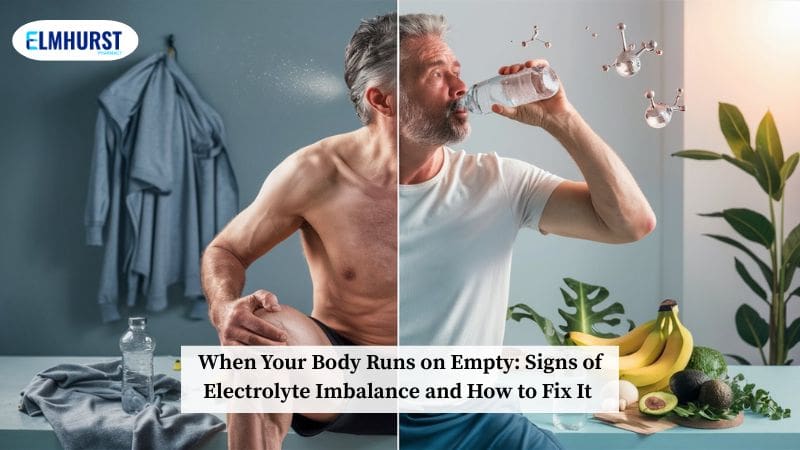
Have you ever felt unusually tired, dizzy, or experienced muscle cramps without any obvious cause? It might not just be stress or dehydration—it could be an electrolyte imbalance. Our bodies rely on electrolytes for nearly every essential function, from nerve signaling to muscle contractions. But when these minerals fall out of balance, it can leave you feeling depleted, foggy, and out of sync.
In this comprehensive guide, we’ll explore the signs of electrolyte imbalance, common causes, how to treat and prevent it, and the best foods, drinks, and supplements to restore your body’s equilibrium. Whether you’re an athlete, a busy adult, or simply want to understand your body better, this article is your go-to resource for all things electrolytes.
What Are Electrolytes, and Why Do They Matter?
Electrolytes are minerals in your body that carry an electric charge. These include sodium, potassium, calcium, magnesium, chloride, phosphate, and bicarbonate. They are found in your blood, urine, and tissues, and they help:
- Maintain fluid balance
- Regulate nerve and muscle function
- Balance blood acidity and pressure
- Rebuild damaged tissues
An electrolyte imbalance occurs when these mineral levels become too high or too low. This imbalance can lead to a wide range of symptoms that impact your health, energy, and performance.
Common Causes of Electrolyte Imbalance
Understanding the causes of electrolyte imbalance is the first step to preventing it. Some of the most common causes include:
1. Dehydration
Sweating, vomiting, diarrhea, or simply not drinking enough fluids can deplete essential minerals.
2. Over hydration
Drinking too much water without replenishing electrolytes can dilute your blood sodium levels, leading to a condition called hyponatremia.
3. Chronic Illnesses
Kidney disease, diabetes, and hormonal disorders can interfere with electrolyte regulation.
4. Medications
Diuretics, laxatives, chemotherapy, and corticosteroids can affect electrolyte levels.
5. Strenuous Exercise
Electrolyte imbalance after exercise is common, especially in endurance sports or intense workouts without proper rehydration.
6. Poor Diet
A diet low in foods high in electrolytes like bananas, leafy greens, and dairy can contribute to chronic imbalances.
Signs and Symptoms of Electrolyte Imbalance
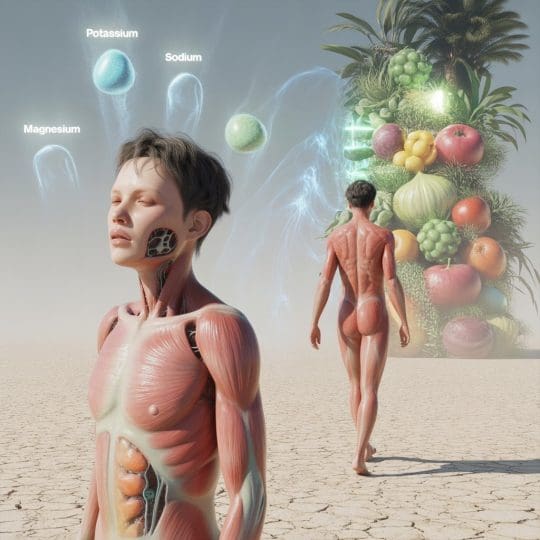
So how do you know if your body is running low on electrolytes? Here are the most common signs of electrolyte imbalance to watch for:
- Fatigue and Weakness
One of the earliest signs, often due to sodium or potassium deficiencies.
- Muscle Cramps or Spasms
Especially in the legs or arms—often linked to low magnesium or calcium.
- Dizziness and Headaches
Imbalance in sodium and fluid levels can cause changes in blood pressure and cerebral hydration.
- Irregular Heartbeat
Low potassium or calcium can interfere with electrical signals in the heart.
- Nausea and Vomiting
A symptom as well as a cause—vomiting can lead to further electrolyte loss.
- Tingling or Numbness
Usually connected to calcium or magnesium depletion.
- Confusion or Brain Fog
Electrolyte imbalance and fatigue are often paired with mental sluggishness.
If you experience multiple symptoms persistently, it’s important to consult your healthcare provider for testing and diagnosis.
Electrolyte Imbalance in Adults: A Growing Concern
While athletes and children are commonly associated with electrolyte issues, electrolyte imbalance in adults—especially seniors—is increasingly common. Age-related changes in kidney function, medication use, and decreased thirst sensation make older adults more susceptible. Recognizing symptoms early is key to preventing complications like arrhythmias or hospitalization.
Electrolyte Imbalance After Exercise: What Athletes Should Know
During prolonged workouts or intense physical activity, the body loses fluids and minerals through sweat. This is why electrolyte imbalance after exercise is a real risk—especially in hot, humid environments.
Warning signs in athletes include:
- Excessive cramping
- Extreme fatigue
- Lightheadedness
- Poor recovery post-workout
To prevent this, athletes should replenish with natural electrolyte sources and consider the best electrolyte drinks after exercise.
Natural Electrolyte Sources: Foods That Restore Balance
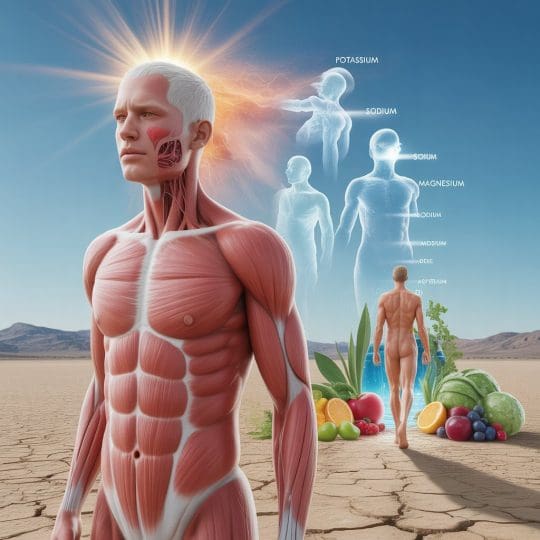
Nature offers plenty of foods high in electrolytes that can help you maintain a healthy balance. Include the following in your electrolyte imbalance diet:
| Mineral | Best Food Sources |
| Potassium | Bananas, sweet potatoes, avocados, spinach |
| Sodium | Sea salt, olives, pickles, broth |
| Magnesium | Almonds, cashews, dark chocolate, whole grains |
| Calcium | Dairy products, kale, tofu, sardines |
| Chloride | Tomatoes, lettuce, seaweed |
| Phosphate | Chicken, turkey, lentils, sunflower seeds |
Tip: Incorporate a variety of these foods daily to avoid deficiencies and maintain energy, especially if you live an active lifestyle.
Best Electrolyte Drinks for Everyday Hydration
When it comes to electrolyte imbalance treatment, especially when fast rehydration is needed, the right drinks can make a big difference. Here are the best electrolyte drinks for replenishing your levels:
1. Coconut Water
It is a natural source of potassium, sodium, and magnesium.
2. Electrolyte-Enhanced Water
Many bottled waters are fortified with key minerals.
3. Sports Drinks
Useful after long exercise sessions—but watch for added sugars.
4. Homemade Electrolyte Drink
Mix water with sea salt, lemon juice, and honey for a DIY electrolyte fix.
5. Herbal Infusions
Chamomile or rooibos with added pink salt and fruit juice can be both hydrating and soothing.
Supplements for Electrolyte Imbalance
In cases where diet and fluids aren’t enough—especially during illness, recovery, or heavy physical activity—electrolyte supplements may be helpful. Look for:
- Balanced electrolyte powders or tablets (containing all major minerals)
- Magnesium glycinate or citrate for muscle relaxation
- Calcium and Vitamin D combo for bone and nerve health
- Potassium gluconate if advised by a doctor
Note: Always consult your pharmacist or doctor before starting supplements, especially if you are on medication or have underlying health conditions.
Tips to Prevent Electrolyte Imbalance
Prevention is always better than treatment. Here’s how to stay balanced:
- Stay Hydrated—but Smartly
Drink water consistently and add electrolytes during hot weather or exercise.
- Eat a Mineral-Rich Diet
Include a colorful variety of fruits, vegetables, nuts, seeds, and lean proteins.
- Limit Alcohol and Caffeine
They can act as diuretics and promote mineral loss.
- Watch for Medication Effects
If you’re on diuretics or blood pressure meds, monitor your electrolyte levels.
- Use Electrolyte Boosters When Needed
Especially post-illness, post-workout, or during travel.
When to See a Doctor
While mild cases can often be managed at home, severe symptoms of low electrolytes—such as confusion, seizures, or a rapid heartbeat—require immediate medical attention. Blood tests can confirm imbalances, and IV fluids may be needed in emergency situations.
Stay Balanced, Stay Energized
An electrolyte imbalance might sound minor, but its effects on your health and energy can be significant. From muscle cramps and brain fog to more serious complications, it’s a signal from your body that something needs attention.
By understanding the signs of electrolyte imbalance, eating foods high in electrolytes, and using the right hydration strategies, you can take charge of your well-being.
At Elmhurst Pharmacy, we’re here to support your journey to better health. Whether you need guidance on electrolyte imbalance treatment, supplements, or daily wellness tips—our expert team is ready to help.
Visit Elmhurst Pharmacy today to explore high-quality electrolyte supplements and hydration solutions tailored to your lifestyle.